Cooking oil collection across California · (888) 789-1090
Expired cooking oil collection — bulk food-grade oil IBC totes staged in a California warehouse

Statewide Guide

Expired Cooking Oil Collection, Bulk Food-Grade Oil Buyers & Recycling Services Throughout California

November 3, 2026 · The Grease Company · Bulk Oil Purchasing & Food-Grade Oil Recycling

5-star Google reviews from businesses we serve

Verbatim 5-star reviews from The Grease Company and TGC Cooking Oil Collection Google Business Profiles.

“Tomco Retail Construction utilizes Miko and Team for all our commercial California locations and they are phenomenal. Thank you for all you do!”
Jennifer Maddux · Tomco Retail Construction · 5 months ago · Google review

Turn your expired, surplus, rejected, or unwanted food-grade oil into value.

When food-grade cooking oil reaches its expiration date, fails quality testing, becomes surplus inventory, or can no longer be sold for its intended purpose, businesses face an important decision: how to remove the product responsibly without creating unnecessary disposal expenses, storage problems, or operational delays.

At The Grease Company, we provide commercial expired cooking oil collection, bulk food-grade oil purchasing, recycling, and removal services throughout California. We work directly with food manufacturers, edible oil producers, importers, exporters, transportation companies, cold storage operators, distribution centers, commercial warehouses, food processors, and businesses handling large quantities of edible oils.

Our goal is simple: help businesses recover the maximum possible value from unwanted food-grade oils while providing reliable logistics, responsible recycling, and efficient inventory removal. Rather than allowing expired or off-specification oils to occupy valuable warehouse space, businesses can work with an experienced commercial oil collection company to evaluate the material for recycling and potential purchase.

We handle a broad range of food-grade oils — soybean, canola, olive, avocado, coconut, vegetable, palm, sunflower, corn, peanut, sesame, safflower, rice bran, cottonseed, fish oil, hempseed oil, and many additional edible oils and fats. Whether your product is stored in bulk tanks, IBC totes, drums, jugs, bottles, sealed cartons, palletized containers, or other commercial packaging, we can coordinate pickup or arrange delivery to an approved receiving facility.

For qualifying bulk quantities, we offer competitive purchase pricing, prompt evaluations, and immediate payment upon accepted delivery or collection under agreed purchasing terms.

California Statewide Service · Bulk Oil Purchasing · Pickup or Delivery · Competitive Oil Pricing · Prompt Payment

What Happens When Food-Grade Cooking Oil Expires?

Food-grade oils are essential ingredients in commercial food production, restaurant operations, packaged food manufacturing, and international food distribution. However, these products have a limited shelf life, and their quality can deteriorate over time. Exposure to oxygen, heat, moisture, light, and improper storage conditions can accelerate oxidation and other chemical changes that affect flavor, odor, appearance, nutritional properties, and overall product quality.

For manufacturers and distributors, expired inventory can create significant financial and logistical challenges. A product originally purchased for human consumption may no longer meet the company's required quality standards, customer specifications, or intended commercial use. An expiration or best-by date does not automatically establish that every oil is unsafe for consumption — actual suitability depends on the product, storage history, applicable regulations, labeling, and quality testing. Nevertheless, when a business determines that an oil cannot be released for food use, it needs a controlled and documented disposition process.

The Grease Company provides an alternative to allowing unwanted oils to accumulate in storage or enter conventional waste disposal channels. We evaluate eligible expired, surplus, and rejected food-grade oils for recovery, purchase, and recycling into industrial feedstocks, including materials used in renewable fuel production.

Why expired food-grade oil should be managed properly

Expired and unwanted cooking oils should not be discharged into storm drains, sanitary sewer systems, or onto the ground. Improper handling can cause environmental contamination, plumbing problems, cleanup expenses, and regulatory concerns. Commercial businesses may also encounter limited warehouse capacity, damaged packaging, leaking containers, transportation expenses, inventory write-offs, insurance requirements, and the need for documented product destruction or diversion from the human food supply. For businesses holding hundreds, thousands, or tens of thousands of gallons, these problems can become expensive very quickly.

Our collection and recycling programs help businesses remove these materials from their facilities, coordinate transportation, and direct suitable products toward beneficial reuse. For a closer look at a real inventory evaluation, read our expired and off-spec oil removal case study.
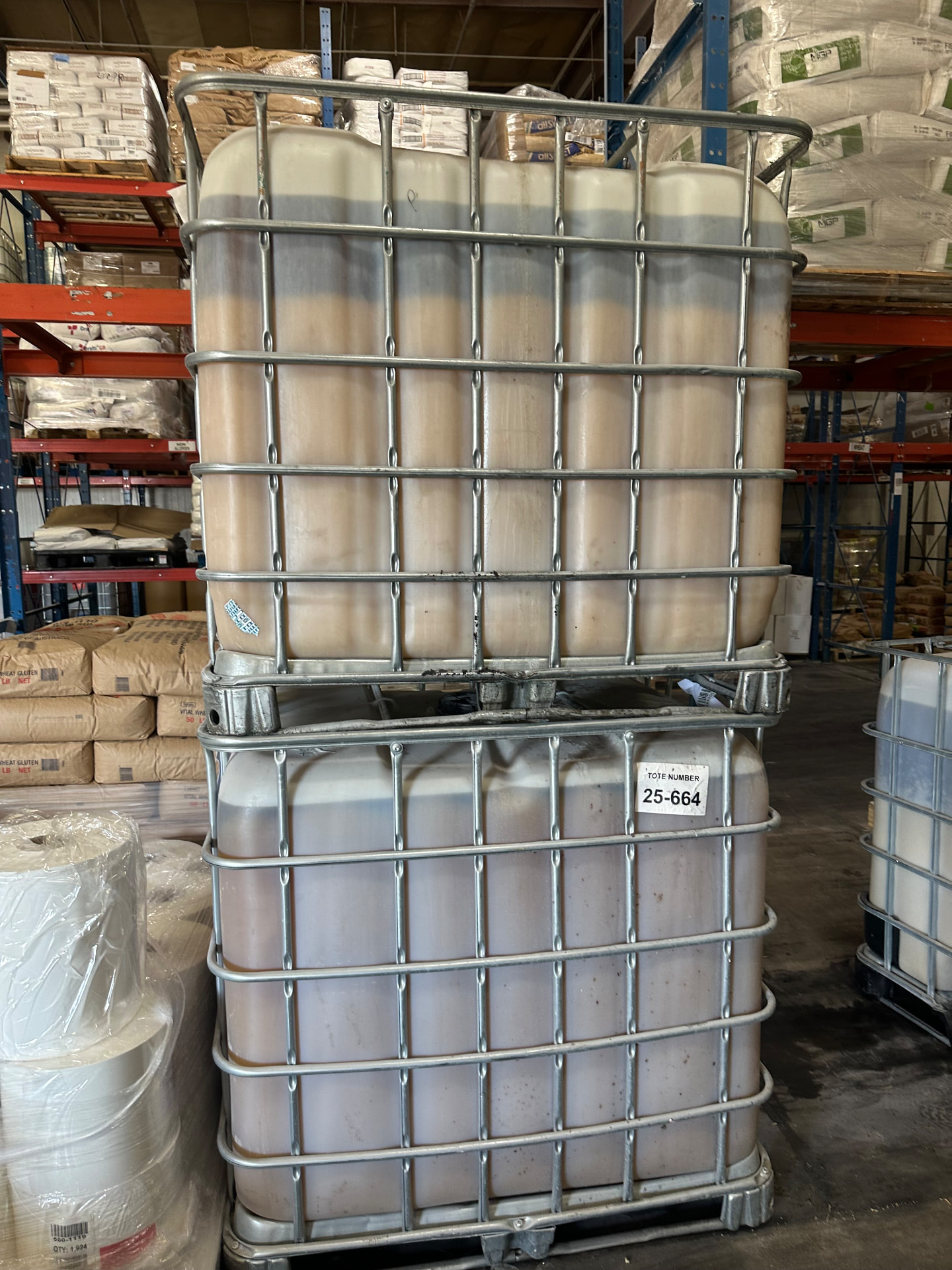
Expired Food Grade Oil Disposal — Stacked IBC Totes in Warehouse | The Grease Co
Stacked IBC totes of expired food-grade oil staged in a California distribution warehouse.
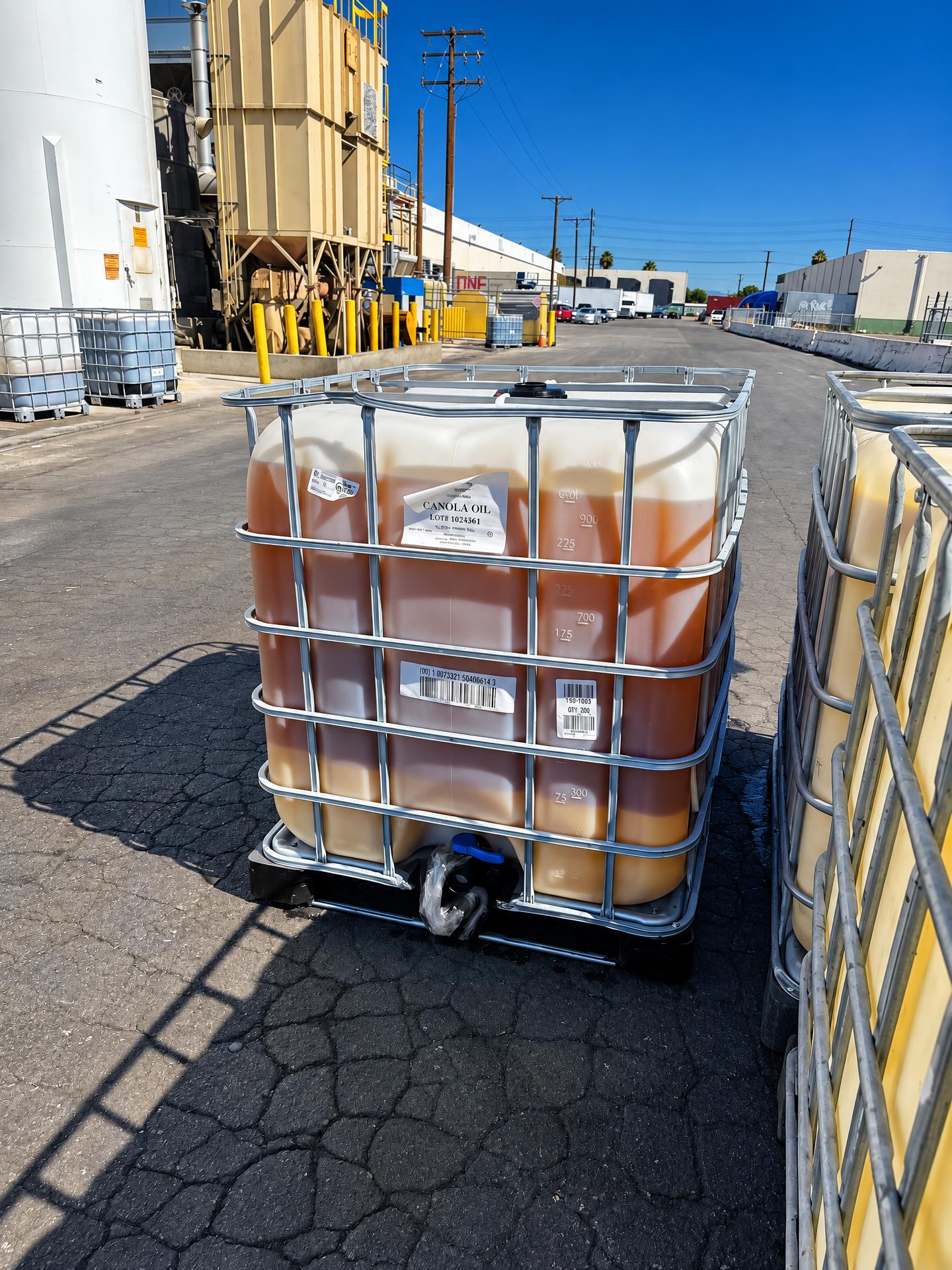
Expired Canola Oil Recycling — Bulk IBC Tote Collection | The Grease Co
A labeled bulk tote of canola oil at a California processing facility, ready for collection evaluation.

We Buy Expired, Surplus, and Off-Specification Food-Grade Oils

Not every expired or unwanted food-grade oil has lost its commercial value. Certain oils can retain value as recyclable feedstocks even when they are no longer suitable for their original food application. Depending on the oil type, quantity, quality, contamination level, packaging, location, and prevailing commodity market, businesses may qualify to receive payment for their unwanted inventory.

The Grease Company purchases qualifying bulk quantities of edible oils and food-grade fats throughout California. We evaluate each project individually to determine whether the oil can be purchased, recycled, or accepted for specialized disposal. Learn more on our Sell Your Oil page, or see what drives value on our cooking oil price guide.
Types of commercial oil inventory we purchase or collect

From expired and surplus stock to rejected shipments and damaged packaging, we evaluate the full range of unwanted food-grade oil inventory.

Expired inventory

Oils that have reached or passed their labeled shelf-life dates and have been removed from commercial food distribution.

Surplus inventory

Excess quantities of food-grade oils that a manufacturer, importer, warehouse, or distributor no longer needs.

Off-specification oils

Oils that fail customer or manufacturing specifications involving color, odor, acidity, moisture, oxidation, or other quality parameters.

Rejected shipments

Bulk oil shipments refused by buyers, manufacturers, receiving facilities, or commercial customers.

Damaged inventory

Products affected by packaging failures, damaged cartons, broken containers, transportation incidents, or warehouse handling problems.

Discontinued products

Cooking oils and edible fats that are no longer being manufactured, distributed, or sold.

Overstocked products

Excess inventory resulting from forecasting errors, canceled purchase orders, market changes, or reduced customer demand.

Returned products

Oils returned from commercial customers, distributors, or retail channels that require evaluation before recycling.

Unmarketable inventory

Food-grade oils that cannot be economically sold through their original distribution channels.

Get competitive pricing for bulk food-grade oil

Large quantities of eligible food-grade oils may command competitive purchasing prices, particularly when the product is properly identified, relatively clean, and economical to transport. We evaluate bulk purchases based on oil composition, condition, quantity, storage configuration, and available downstream markets. For qualifying transactions, payment can be arranged immediately upon collection or accepted delivery, subject to verification of quantity, quality, ownership, and agreed commercial terms. Our objective is to help customers reduce their losses and, whenever possible, turn unwanted inventory into recoverable revenue.

Food-grade oils we collect, purchase, and recycle

The Grease Company accepts inquiries involving a broad range of edible oils, vegetable oils, specialty cooking oils, animal-derived fats, and food-processing oils.

Expired soybean oil

One of the most widely used edible oils in food manufacturing and foodservice. We provide bulk soybean oil purchasing, collection, transportation coordination, and recycling for qualifying commercial quantities in tankers, storage tanks, IBC totes, drums, and palletized containers.

Expired canola oil

Extensively used in commercial frying, packaged food production, baking, and food manufacturing. We remove expired canola oil, rejected shipments, damaged packaged products, and excess bulk inventory from drums, totes, bottles, jugs, or storage tanks.

Expired olive oil

Extra virgin, virgin, refined, pomace, and blended olive oils can lose desirable sensory characteristics as they age. We help importers, bottling facilities, wholesalers, and distributors evaluate expired olive oil for bulk collection, recycling, and potential purchase.

Expired avocado oil

Imported, refined, and bottled avocado oil can become difficult to market near expiration. We coordinate removal of surplus and expired avocado oil for importers, distributors, bottlers, warehouses, and manufacturers — large palletized shipments, totes, drums, and tank quantities may qualify for competitive purchase offers.

Expired coconut oil

Used in food manufacturing, confectionery, baking, and commercial cooking. Because coconut oil can solidify at ordinary storage temperatures, collection may require additional planning, specialized equipment, or appropriate handling conditions.

Expired palm oil and palm olein

We accept inquiries involving palm oil, palm olein, palm stearin, palm kernel oil, and other qualifying palm-derived edible oils. Bulk collection may involve heated storage systems, tank transfers, or specialized pumping equipment.

Expired sunflower oil

Used in food production, commercial frying, salad dressings, and packaged foods. We work with manufacturers, importers, exporters, and distributors handling expired, high-oleic, surplus, and rejected sunflower oil in bulk tanks, totes, drums, or packaged inventory.

Expired vegetable oil

A broad commercial category that may include soybean, canola, corn, sunflower, palm, and blended edible oils. We offer collection and recycling solutions designed for large-volume inventory removal.

Expired fish oil

Food-grade fish oil used in nutritional products and specialty ingredients may require additional evaluation because composition, oxidation, odor, and packaging can affect recycling options. We review fish oil projects individually.

Expired hempseed oil

We evaluate non-intoxicating, food-grade hempseed oil that has expired, become surplus, or failed commercial quality requirements. Acceptance depends on product composition, documentation, regulatory status, and downstream processing requirements.

Additional edible oils and food-grade fats we handle

  • Corn oil, peanut oil, sesame oil, safflower oil, and rice bran oil
  • Cottonseed oil, grapeseed oil, flaxseed oil, and walnut oil
  • Almond oil, macadamia oil, hazelnut oil, and pumpkin seed oil
  • Mustard seed oil, camelina oil, and specialty seed oils
  • Blended vegetable oils and high-oleic cooking oils
  • Food-grade shortening and commercial frying fats
  • Food-grade tallow, lard, and other animal-derived fats
  • Food-grade algae oils and specialty nutritional oils
  • Refined, bleached, and deodorized edible oils
  • Other food-grade triglyceride oils and fats

If your oil is not listed, contact The Grease Company. Our team can review the product's specifications, packaging, quantity, and potential recycling options. Not every oil or fat is suitable for every renewable fuel production process — acceptance and purchasing prices are determined after reviewing the material. See how we handle expired and off-spec oil and tallow and animal fats.

Bulk oil collection for manufacturers, warehouses, importers, and distributors

Large commercial food businesses need more than a basic cooking oil pickup service — they need a collection partner that understands warehouse operations, product handling, transportation logistics, documentation, and the financial impact of delayed inventory removal.

Food manufacturing plants

Facilities accumulate unwanted edible oils from production changes, expired raw materials, failed quality inspections, discontinued product lines, or excess purchasing. We coordinate bulk oil removal while minimizing disruption to production and warehouse operations.

Oil manufacturers and edible oil refiners

Refining facilities may produce off-specification batches, surplus inventory, or material that cannot be sold through conventional food channels. We evaluate these products for potential purchase and recycling.

Importers and exporters of cooking oil

International shipments may be rejected because of labeling issues, customer specifications, damaged packaging, expired dates, or changes in market demand. Where permitted, we coordinate pickup from commercial storage facilities, distribution centers, and port-related warehouses.

Third-party logistics companies and distribution centers

When stored oil inventory becomes expired, damaged, abandoned, or commercially unmarketable, we coordinate with authorized inventory owners and warehouse managers to arrange removal, loading, transportation, and recycling.

Commercial storage and cold storage warehouses

Expired edible oil can occupy substantial warehouse capacity. Removing unwanted inventory recovers pallet positions, frees tank space, improves inventory turnover, and reduces handling risks.

Transportation companies and freight carriers

Carriers occasionally encounter refused shipments, damaged cargo, rejected loads, or oil that cannot be delivered to its intended customer. We evaluate shipments that require alternate receiving arrangements, recovery, or recycling.

Food ingredient suppliers and wholesale distributors

Suppliers holding substantial quantities of edible oils in bulk or packaged form can have unsellable products evaluated for purchase or recycling — an alternative to indefinite storage or costly disposal.

We also support food processing plants through our food manufacturing waste oil services and high-volume generators through bulk oil disposal.

Pickup for tanker loads, IBC totes, drums, jugs, and packaged inventory

One of the biggest challenges businesses face when disposing of expired food-grade oil is determining how to remove it from its existing packaging or storage system. We work with multiple storage configurations and coordinate collection methods suited to the material and location.

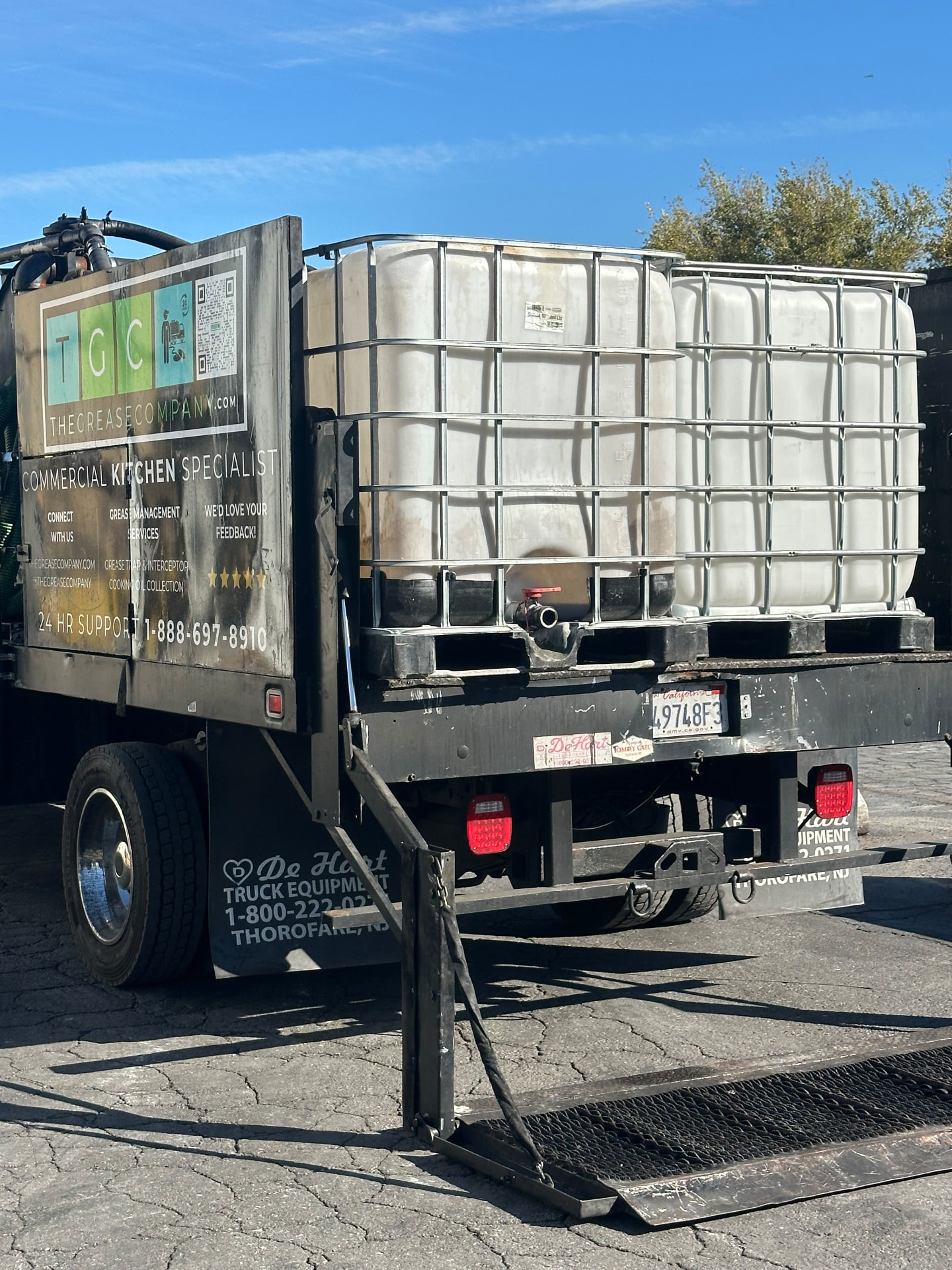
Bulk Expired Cooking Oil Buyers — TGC Collection Truck With IBC Totes | The Grease Co
A The Grease Company collection truck loaded with IBC totes for bulk expired cooking oil pickup.
IBC Tote Oil Collection — Bulk Food-Grade Oil Inventory | The Grease Co
Bulk food-grade oil totes staged for commercial collection and recycling evaluation.

Bulk storage tanks

We evaluate projects involving large stationary tanks, food manufacturing storage systems, and other bulk vessels. Removal may require pumping equipment, transfer hoses, vacuum equipment, or tanker transportation.

IBC tote collection

Many facilities use approximately 275-gallon or 330-gallon intermediate bulk containers. We coordinate the collection or transfer of oil stored in IBC totes, including multiple totes and full warehouse inventories.

Drums and commercial barrels

Food-grade oils are often stored in 55-gallon drums or other commercial containers. We evaluate palletized drums, sealed barrels, and bulk drum quantities for pickup and recycling.

Jugs, bottles, and packaged cooking oil

Expired cooking oil may remain in original retail or foodservice packaging — one-gallon jugs, five-gallon containers, plastic bottles, metal tins, boxed oil, and sealed cartons. Packaging removal, decanting, and recycling requirements are assessed before pricing.

Palletized and containerized inventory

Whether the inventory consists of several pallets or multiple truckloads, we review the logistics and develop an appropriate collection plan.

Bulk tanker deliveries

For qualifying projects, customers may arrange delivery of bulk food-grade oil to an approved receiving facility. Delivered material may qualify for different purchase pricing because transportation and collection expenses can be reduced. All deliveries require advance approval.

Sell your expired cooking oil instead of paying for disposal

Many businesses assume that expired edible oil is automatically worthless. In reality, certain oils can retain significant value as recyclable commodities, even when they cannot be sold for human consumption. The value depends on several commercial factors.

Oil type and composition

Soybean, canola, sunflower, corn, and other vegetable oils may have different market values depending on composition and demand. Specialty oils may require separate evaluation.

Oil quality and contamination

Clean, identifiable oils may have greater recycling value than products mixed with water, chemicals, food debris, or other contaminants. Quality testing and documentation may be necessary before purchase.

Total quantity available

Larger quantities can improve transportation efficiency and may support more competitive purchase offers. We evaluate both recurring commercial volumes and one-time bulk liquidation projects.

Packaging and accessibility

Oil stored in accessible bulk tanks or transferable totes may be less expensive to recover than oil requiring extensive unpacking, labor, or special handling.

Pickup versus delivery

Customers capable of delivering qualifying oil directly to an approved receiving location may receive pricing that reflects reduced transportation expenses.

Current commodity market conditions

Renewable fuel feedstock markets can change significantly. Pricing is influenced by demand, processing capacity, feedstock availability, transportation costs, and quality specifications.

Our objective is to offer top-dollar, competitive pricing for qualifying bulk oil inventories whenever market conditions and material quality support it. Restaurants and smaller kitchens with ongoing fryer oil may also qualify for free used cooking oil collection, and our used cooking oil recycling program handles recurring commercial volumes.

Expired food-grade oil recycling into renewable energy

When edible oils can no longer be used for their intended food applications, responsible recycling can provide an alternative to conventional disposal. Certain recovered vegetable oils and animal fats can be processed into feedstocks used in renewable fuel production.

  • Renewable diesel — manufactured from suitable fats and oils through industrial refining processes; recovered edible oils may be used depending on the feedstock and production pathway.
  • Biodiesel — produced from suitable fats and oils through chemical processing; recovered food-grade oils can serve as feedstocks when they meet the processor's quality requirements.
  • Sustainable aviation fuel — certain fats and oils may be used in approved production pathways, depending on the feedstock, processing technology, sustainability requirements, and receiving facility.
  • Other industrial recycling applications — some recovered oils may be directed toward other industrial products, depending on material characteristics and available recycling markets.

The Grease Company works to direct accepted oils into appropriate recycling and recovery channels, with renewable fuel feedstocks among the principal intended outlets. We do not guarantee that every collected oil will become a specific renewable fuel — final recycling pathways depend on the material and downstream processor.

Why businesses choose The Grease Company for expired oil collection

Commercial oil recovery requires dependable coordination, particularly when large quantities of inventory must be removed quickly. Our services are designed around the practical needs of manufacturers, warehouse operators, importers, exporters, and commercial oil suppliers:

  • Competitive bulk oil purchase offers — qualifying bulk edible oil inventories evaluated against current market conditions.
  • Fast response and expedited scheduling — timely communication, prompt evaluations, and expedited scheduling when equipment and receiving capacity are available.
  • Immediate payment for qualifying purchases — for approved transactions, immediate payment can be arranged under agreed terms after quantity, quality, and ownership verification.
  • Pickup or delivery options — collection from your facility or coordinated delivery to an approved receiving location.
  • Large-volume collection capabilities — bulk storage tanks, tanker quantities, multiple IBC totes, palletized drums, packaged oils, and large commercial inventories.
  • Commercial documentation — collection records, weight or volume verification, receiving documentation, and recycling or product disposition records that can support internal inventory controls, audit requirements, and proof that material was diverted from the food supply.

One company. One solution. Learn more about why businesses choose The Grease Co.

California statewide expired cooking oil collection service areas

The Grease Company serves customers throughout California, with collection scheduling and transportation arrangements based on project size, location, and equipment availability — across Northern, Central, and Southern California.

Los Angeles County

Los Angeles, Long Beach, Carson, Torrance, Compton, Vernon, Commerce, City of Industry, El Monte, Pomona, Pasadena, Glendale, Burbank, Santa Fe Springs, Whittier, Downey, Cerritos, Norwalk, Inglewood, Hawthorne, Gardena, Lancaster, and Palmdale — especially food manufacturing facilities, port-related warehouses, distribution centers, and edible oil importers.

Orange County

Anaheim, Santa Ana, Irvine, Fullerton, Orange, Huntington Beach, Costa Mesa, Newport Beach, Garden Grove, Westminster, Buena Park, La Habra, Tustin, Lake Forest, Mission Viejo, and San Clemente — food manufacturers, commercial kitchens, wholesalers, and warehouses.

Riverside County

Riverside, Corona, Moreno Valley, Perris, Jurupa Valley, Eastvale, Norco, Temecula, Murrieta, Menifee, Lake Elsinore, Hemet, Beaumont, Banning, Palm Springs, Cathedral City, Indio, and Coachella — industrial corridors and distribution facilities.

San Bernardino County

San Bernardino, Ontario, Rancho Cucamonga, Fontana, Rialto, Colton, Redlands, Chino, Chino Hills, Upland, Montclair, Victorville, Hesperia, Apple Valley, Highland, and Yucaipa — logistics, warehousing, food distribution, and manufacturing.

San Diego County

San Diego, Chula Vista, National City, Oceanside, Carlsbad, Escondido, Vista, San Marcos, El Cajon, La Mesa, Santee, Poway, Encinitas, and Imperial Beach — food processors, commercial warehouses, distributors, importers, and manufacturers.

Ventura and Santa Barbara Counties

Oxnard, Ventura, Camarillo, Thousand Oaks, Simi Valley, Moorpark, Fillmore, Santa Paula, Santa Barbara, Goleta, Carpinteria, Lompoc, and Santa Maria — food production, agricultural processing, distribution, and commercial storage.

Kern and Tulare Counties

Bakersfield, Delano, Shafter, Wasco, Ridgecrest, Tehachapi, Visalia, Tulare, Porterville, Dinuba, and Exeter — agricultural and food manufacturing regions generating substantial quantities of edible oils.

Fresno, Madera, Kings, and Merced Counties

Fresno, Clovis, Sanger, Selma, Reedley, Madera, Chowchilla, Hanford, Lemoore, Corcoran, Merced, Atwater, and Los Banos — commercial oil suppliers, agricultural processors, and food distribution businesses throughout the Central Valley.

Stanislaus, San Joaquin, and Sacramento Counties

Modesto, Turlock, Ceres, Patterson, Stockton, Tracy, Manteca, Lodi, Lathrop, Ripon, Sacramento, Elk Grove, Rancho Cordova, Folsom, and Citrus Heights — large commercial food operations, logistics centers, and warehouses.

Alameda and Contra Costa Counties

Oakland, Fremont, Hayward, San Leandro, Union City, Newark, Berkeley, Alameda, Livermore, Pleasanton, Richmond, Concord, Walnut Creek, Pittsburg, Antioch, and Brentwood — major transportation corridors, industrial businesses, and food distribution centers.

San Francisco, San Mateo, and Santa Clara Counties

San Francisco, South San Francisco, Daly City, San Bruno, San Mateo, Redwood City, Menlo Park, San Jose, Santa Clara, Sunnyvale, Milpitas, Mountain View, Palo Alto, and Cupertino — qualifying commercial projects involving food manufacturers, warehouses, wholesalers, and distributors.

Solano, Napa, Sonoma, and Marin Counties

Vallejo, Fairfield, Vacaville, Suisun City, Benicia, Napa, American Canyon, Santa Rosa, Petaluma, Rohnert Park, Windsor, Novato, and San Rafael — commercial expired food-grade oil recovery throughout the North Bay region.

Monterey, Santa Cruz, and San Benito Counties

Salinas, Monterey, Seaside, Marina, Watsonville, Santa Cruz, Capitola, Scotts Valley, and Hollister — agricultural processing facilities, food manufacturers, distributors, and commercial storage operations.

San Luis Obispo and Imperial Counties

San Luis Obispo, Paso Robles, Atascadero, Arroyo Grande, Grover Beach, Pismo Beach, El Centro, Calexico, Brawley, Imperial, and Holtville — including qualifying commercial projects associated with regional distribution and cross-border logistics.

Additional Northern California and statewide coverage

We also evaluate qualifying bulk collection projects in Butte, Shasta, Tehama, Glenn, Colusa, Yolo, Yuba, Sutter, Placer, El Dorado, Nevada, Amador, Calaveras, Tuolumne, Humboldt, Mendocino, Lake, Del Norte, Siskiyou, Trinity, Lassen, Modoc, Plumas, Sierra, Alpine, Mono, Inyo, and Mariposa Counties — including Chico, Redding, Davis, West Sacramento, Roseville, Auburn, Eureka, Ukiah, and Mammoth Lakes. For remote locations and large-volume projects, collection availability and pricing depend on transportation economics, material quality, and receiving capacity.

Whether your business is located in Southern California, the Central Valley, the San Francisco Bay Area, Sacramento, or Northern California, contact us to discuss your expired cooking oil collection needs, or browse our full service area directory.

Our expired cooking oil collection and purchasing process

We make the process straightforward for commercial customers.

  1. 1

    Step 1 — Tell us what type of oil you have

    Provide the oil type, approximate quantity, expiration status, and current storage location — for example soybean, canola, avocado, sunflower, olive, palm, or other food-grade products.

  2. 2

    Step 2 — Describe the packaging and storage conditions

    Let us know whether the oil is stored in bulk tanks, IBC totes, drums, jugs, bottles, cartons, or palletized containers. Photographs, product labels, specifications, and available quality reports help us evaluate the material.

  3. 3

    Step 3 — Receive a purchase or recycling evaluation

    Our team reviews the oil type, estimated volume, quality, transportation requirements, and available downstream markets, then determines whether the material qualifies for a purchase offer, recycling service, or specialized disposal arrangement.

  4. 4

    Step 4 — Schedule pickup or arrange delivery

    Once the transaction is approved, we coordinate the appropriate collection or receiving arrangements, minimizing disruption to your warehouse, production facility, or transportation operation.

  5. 5

    Step 5 — Verification, payment, and recycling

    Accepted quantities and material conditions are verified according to the agreed transaction terms. For qualifying purchases, prompt or immediate payment is available as arranged, and the material is directed to an approved recycling or recovery outlet with documentation provided according to project requirements.

Frequently asked questions about expired cooking oil collection

Can I sell expired cooking oil?

Yes. Certain expired edible oils may retain value as recyclable feedstocks. Whether your oil qualifies for purchase depends on the oil type, quality, volume, location, packaging, and market conditions.

Who buys expired soybean oil in California?

The Grease Company evaluates bulk expired soybean oil inventories throughout California, including oil stored in tanks, IBC totes, drums, and packaged commercial containers.

Do you buy expired avocado oil?

We evaluate expired, surplus, rejected, and off-specification avocado oil for commercial purchasing and recycling, including large quantities stored in bottles, pallets, totes, or bulk tanks.

Do you collect expired olive oil?

Yes. We evaluate bulk expired olive oil from importers, distributors, bottling facilities, warehouses, and commercial suppliers.

Can you collect expired cooking oil from a warehouse?

Yes. We work with commercial warehouses, third-party logistics providers, food distribution centers, and storage facilities to coordinate removal of qualifying edible oil inventory.

Do you accept oil in IBC totes?

Yes. We evaluate oil stored in 275-gallon and 330-gallon IBC totes, along with other commercial container sizes.

Do you accept bottled or packaged expired cooking oil?

Yes. We evaluate bulk quantities of bottled, boxed, jugged, and palletized cooking oil. Packaging and handling costs are considered when determining purchase or collection pricing.

Can you handle thousands of gallons?

Yes. We evaluate large-volume commercial oil projects, including multiple totes, bulk tanks, tanker quantities, and multiple truckloads. Equipment and transportation arrangements depend on the project.

Do you offer pickup throughout California?

We evaluate commercial projects throughout California. Scheduling and service availability depend on the quantity, location, material characteristics, and available logistics.

Can we deliver our expired cooking oil to you?

For qualifying materials, delivery may be arranged to an approved receiving facility with advance authorization. Contact our team before dispatching any shipment.

Do you pay immediately for bulk oil?

Immediate payment may be available for qualifying approved purchases, subject to agreed commercial terms and verification of material quantity and quality.

What happens to expired cooking oil after collection?

Accepted oils are directed to appropriate recycling and recovery channels. Depending on material characteristics and downstream processing, certain oils may be used as feedstocks for renewable diesel, biodiesel, sustainable aviation fuel, or other industrial applications.

Can you provide documentation for product destruction?

Documentation may be available depending on the project and the receiving facility. Businesses requiring formal destruction certification, witnessed destruction, or a controlled chain of custody should communicate those requirements before scheduling collection.

Do you collect oils that failed quality testing?

Yes, subject to review. We evaluate off-specification edible oils, including products that fail applicable commercial quality requirements. Material composition, contamination, and test results determine acceptance.

Is there a minimum quantity for bulk oil purchasing?

Minimum economical quantities vary depending on the oil, location, packaging, and transportation requirements. Larger volumes generally offer more opportunities for competitive purchasing.

Request a bulk expired cooking oil purchase quote today

Have expired, surplus, rejected, or unwanted food-grade oil? Don't let it sit in storage when it may still have commercial recycling value. The Grease Company helps food manufacturers, oil producers, importers, exporters, warehouses, distributors, and transportation companies manage unwanted edible oil inventory throughout California.

Whether you have expired soybean oil, canola oil, avocado oil, olive oil, coconut oil, palm oil, sunflower oil, vegetable oil, fish oil, hempseed oil, or other food-grade oils, our team is ready to evaluate your project. Sell your bulk expired cooking oil. Recover value. Free up storage space.

All oil purchases, recycling acceptance, collection schedules, pricing, and payment arrangements are subject to material verification, project conditions, receiving facility requirements, and applicable regulations.

Ready to schedule your oil or grease pickup?

We pay top dollar for qualifying cooking oil and grease. Serving food manufacturers, restaurants and commercial kitchens across California.

Chat
Call (888) 789-1090Get Oil Price